
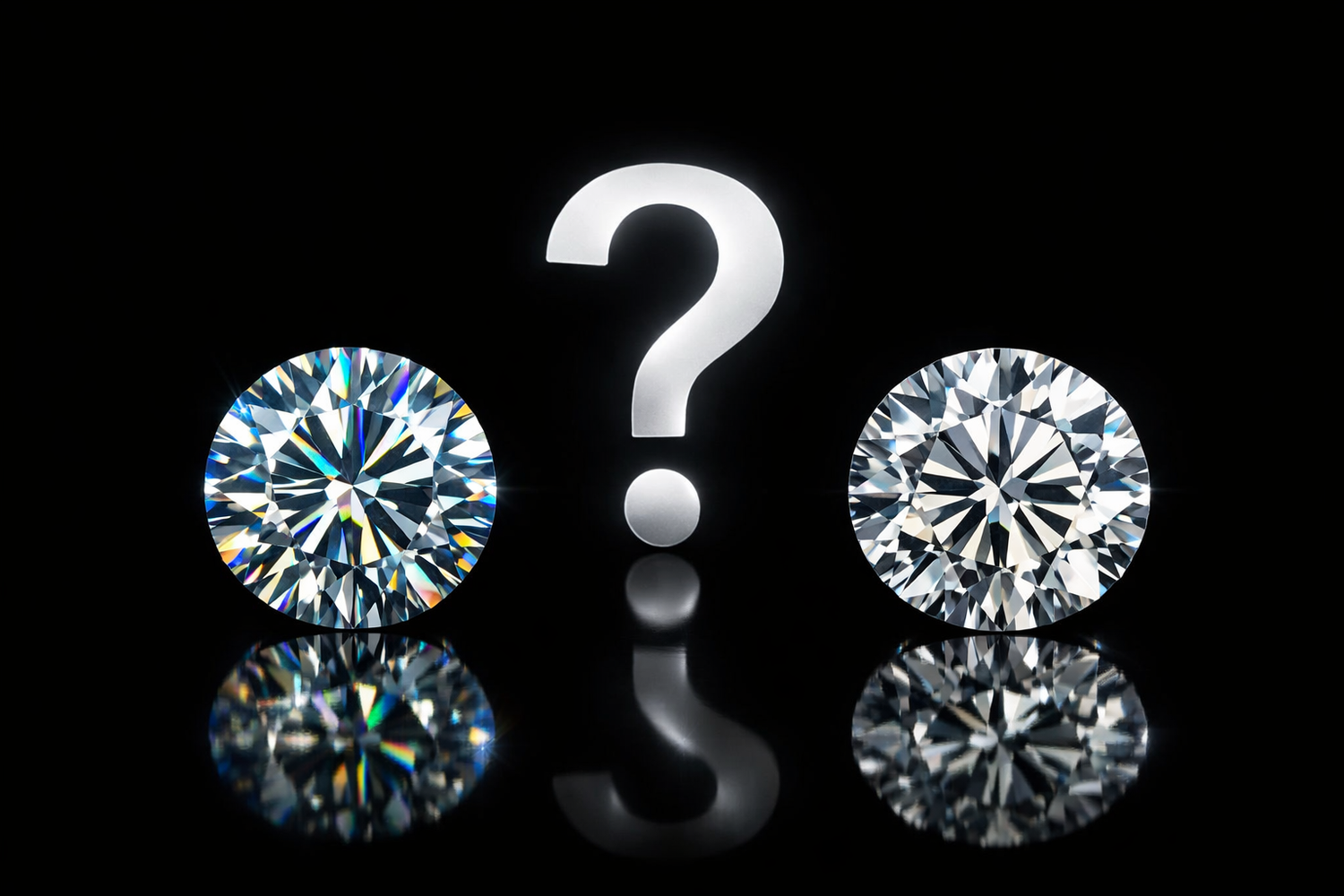
Moissanite vs Diamond: Which One Actually Performs Better?
Diamonds have long been positioned as the ultimate gemstone, symbolizing luxury, rarity, and permanence. But as modern jewelry buyers become more informed, performance — not tradition — is becoming the deciding factor. When it comes to daily wear, brilliance, and long-term durability, the question is no longer which gemstone is more famous, but which one actually performs better.
This is where the comparison between moissanite and diamond becomes especially relevant.
Hardness vs Durability
Diamonds are the hardest known natural material, ranking 10 on the Mohs scale. Moissanite follows closely at 9.25, making it harder than any gemstone except diamond.
However, hardness alone does not equal durability. Durability also includes resistance to chipping, cracking, and structural stress. Moissanite has a unique crystal structure that gives it excellent toughness, meaning it is less prone to fracturing from impact. In real-world wear, this makes moissanite exceptionally reliable for everyday jewelry.
Brilliance and Fire
Brilliance refers to how much white light a gemstone reflects. Fire refers to how much colored light it disperses.
This is where moissanite clearly outperforms diamond.
-
Diamond refractive index: ~2.42
-
Moissanite refractive index: ~2.65–2.69
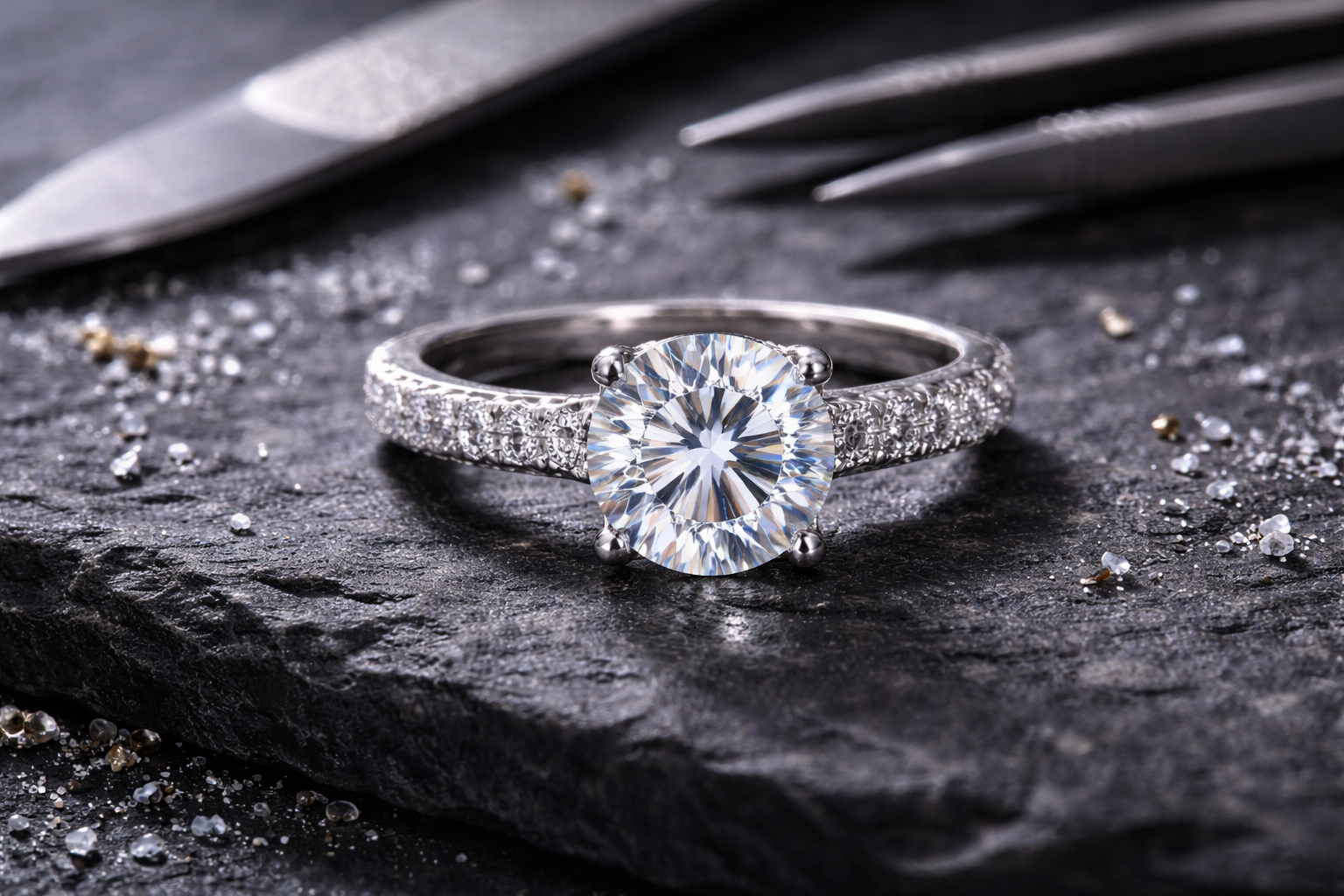
Moissanite reflects more light and disperses more color than diamond, resulting in greater sparkle and fire under most lighting conditions. Diamonds are visually elegant and controlled, but moissanite delivers a brighter, more dynamic light performance.
Clarity and Consistency
Natural diamonds often contain inclusions due to their geological formation. Even high-clarity diamonds may show internal characteristics under magnification.
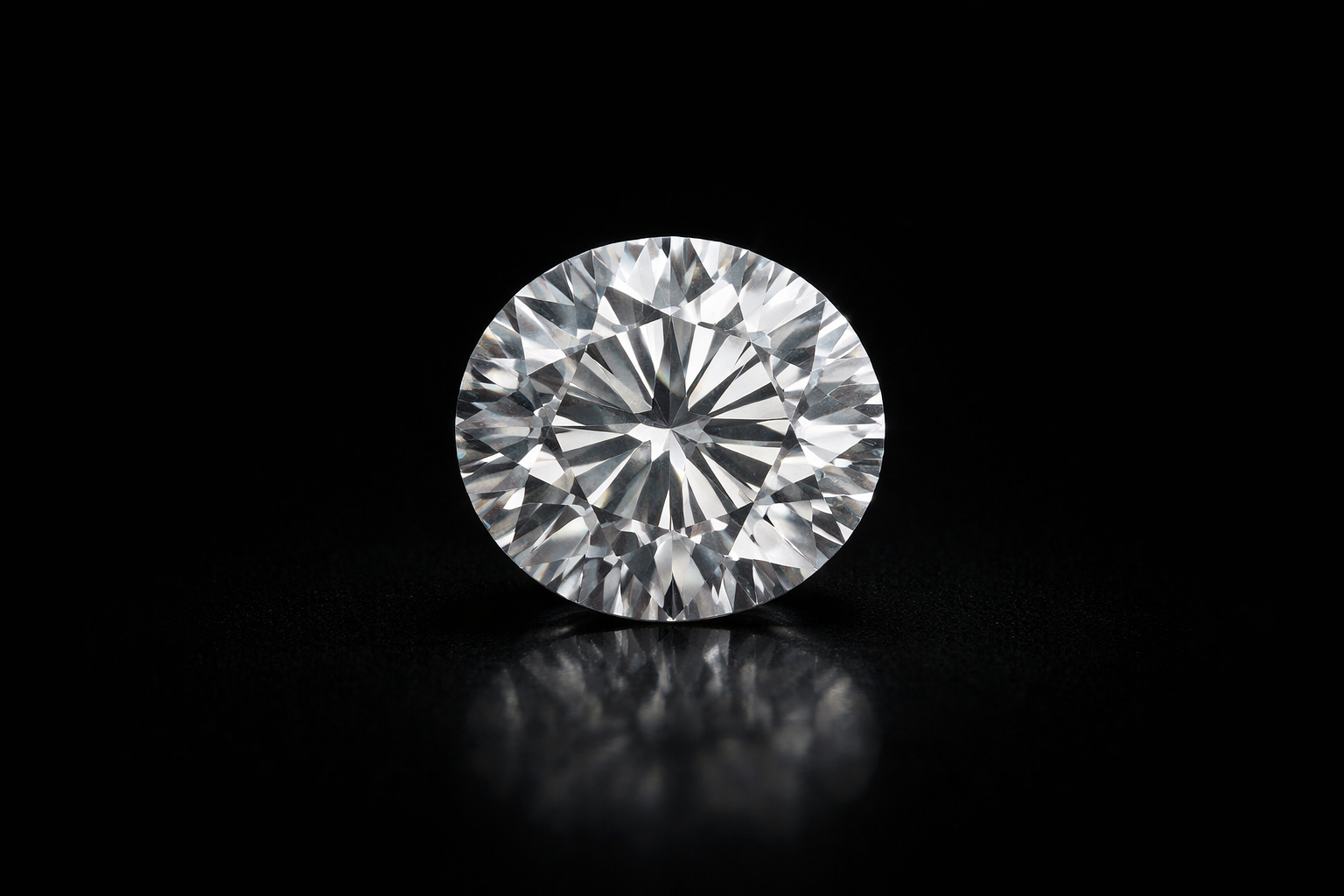
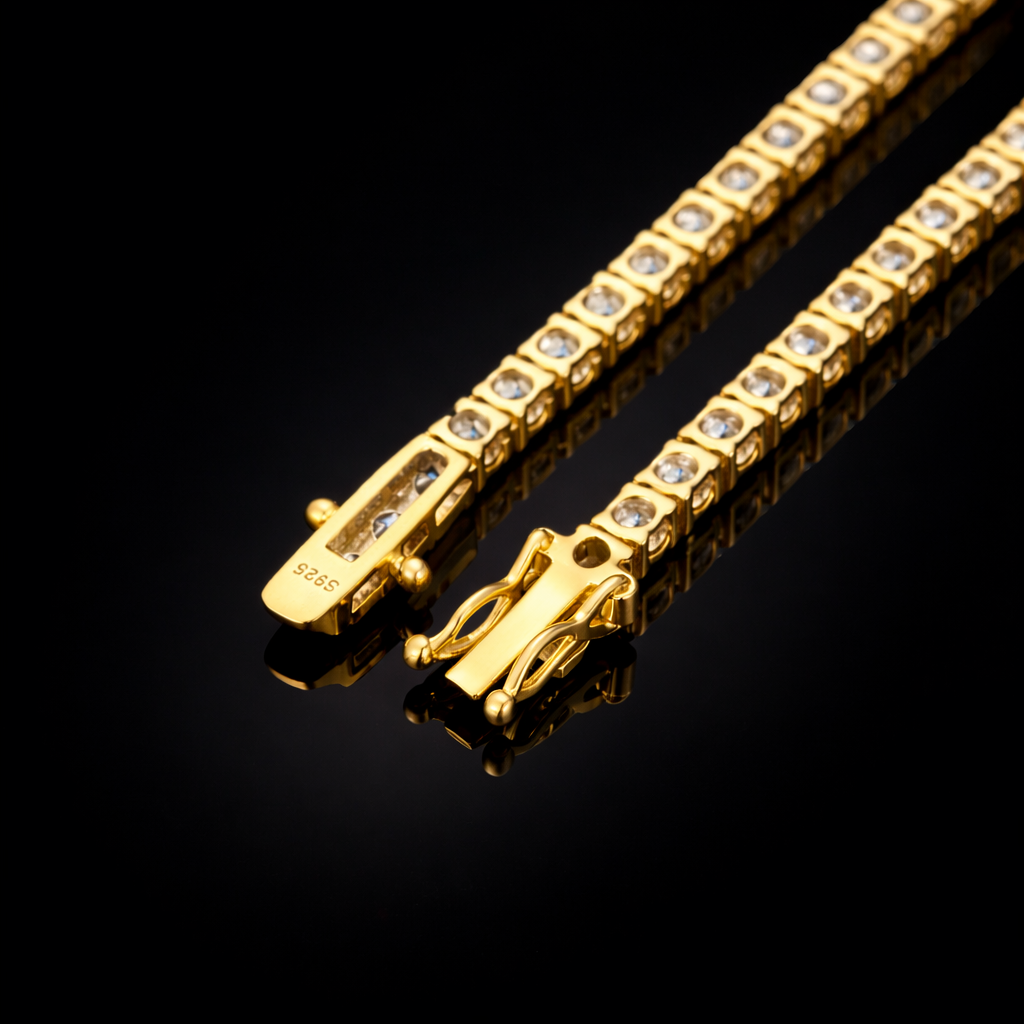
Moissanite, especially VVS1 moissanite, is precision-created. This allows for exceptional consistency in clarity and structure. Light travels through the stone with minimal interruption, enhancing brilliance and sharpness.
Performance Over Time
A key factor in gemstone performance is how well it maintains its appearance over years of wear.
Moissanite does not cloud, discolor, or lose brilliance over time. Its structure remains stable, even with constant exposure to light, heat, and daily use. Diamonds are also stable, but their brilliance is more dependent on cut quality and cleanliness.
From a maintenance perspective, moissanite offers more consistent long-term performance.
Price vs Performance
Much of a diamond’s price is driven by controlled supply, historical marketing, and resale perception. Performance-wise, the difference does not scale proportionally with cost.
Moissanite delivers:
-
Higher brilliance
-
Comparable durability
-
Greater consistency
— at a fraction of the price.
So Which One Performs Better?
If performance is defined by:
-
Light return
-
Fire and brilliance
-
Durability in daily wear
-
Long-term visual stability
Moissanite outperforms diamond in most measurable categories.
Diamonds remain iconic, but moissanite represents a modern evolution — one driven by engineering, precision, and real-world performance rather than tradition alone.
A Modern Standard
Luxury is no longer defined solely by rarity. It is defined by execution, intelligence, and results. When evaluated objectively, moissanite offers a level of performance that challenges long-held assumptions about diamonds.
At JUVÉ, we work exclusively with VVS1 moissanite because modern luxury deserves modern standards.


Leave a comment
This site is protected by hCaptcha and the hCaptcha Privacy Policy and Terms of Service apply.