

What Is Vermeil Plating — And Why It Matters in Fine Jewelry
In fine jewelry, plating is often misunderstood. Many pieces are described as “gold plated,” yet the quality, durability, and standards behind that term can vary significantly. One of the highest recognized plating methods is vermeil — a technique rooted in traditional fine jewelry craftsmanship.
Understanding what vermeil plating is — and how it differs from standard gold plating — reveals why it is used in high-quality jewelry designed for longevity.
What Is Vermeil Plating?
Vermeil (pronounced ver-may) is a legally defined jewelry standard, not a marketing term. To qualify as vermeil, a piece must meet three strict criteria:
-
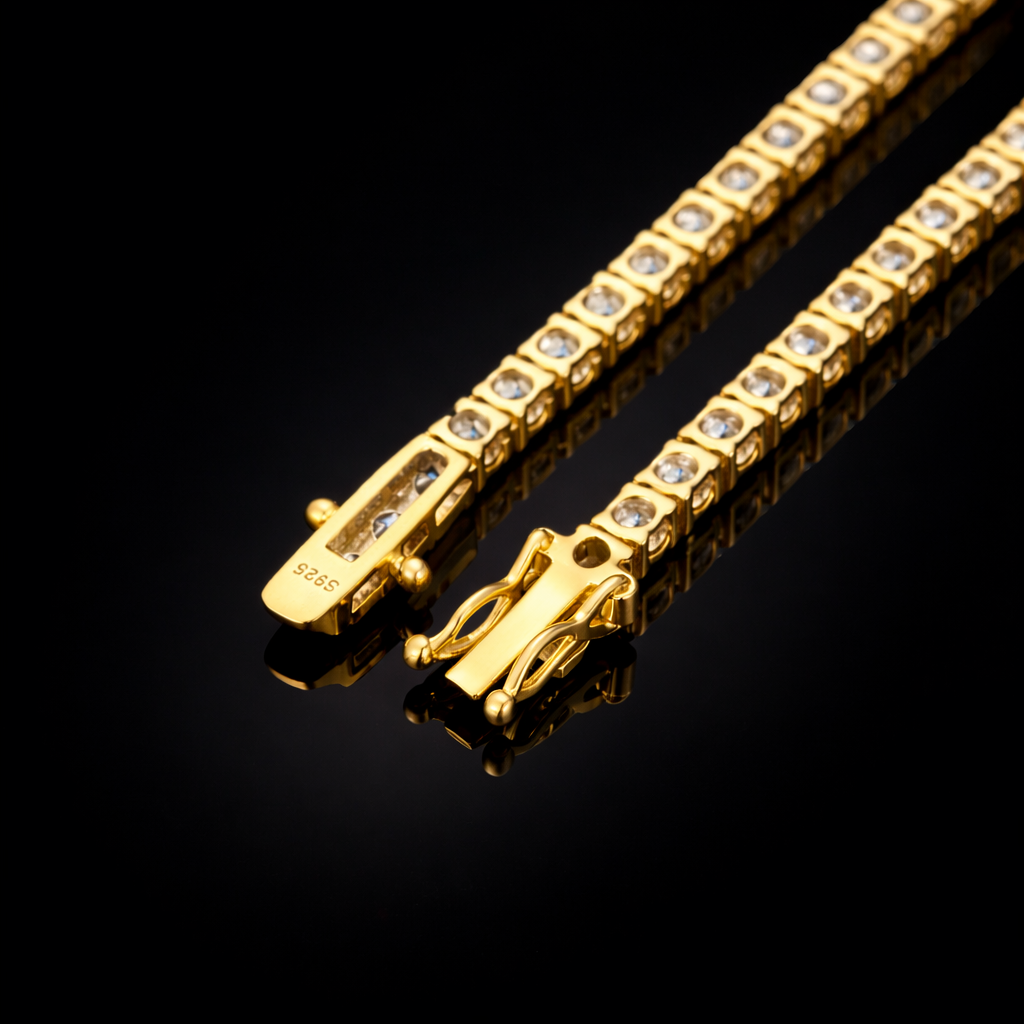
A solid 925 sterling silver core
-
A minimum gold purity of 10k or higher
-
A minimum gold thickness of 2.5 microns
Only when all three requirements are met can a piece be classified as true vermeil.
This standard ensures both structural integrity and long-term wearability, distinguishing vermeil from thin, cosmetic plating methods.
Vermeil vs Standard Gold Plating
Standard gold-plated jewelry often uses:
-
Brass or base metals
-
Extremely thin gold layers
-
Minimal durability
While visually appealing at first, these pieces can wear down quickly, exposing the underlying metal and losing their finish.
Vermeil plating, by contrast, is engineered for durability, consistency, and longevity. The sterling silver base provides strength, while the thick gold layers protect the surface and maintain color depth over time.
Why Layer Thickness Matters
Gold thickness is one of the most critical factors in plated jewelry performance. Thinner layers wear away faster, especially in areas exposed to friction.
By using multiple layers, jewelers can achieve:
-
Greater resistance to wear
-
More even color distribution
-
Improved adhesion between layers
-
Longer-lasting finish
This layered approach is a hallmark of high-quality vermeil construction.
JUVÉ’s Approach to Vermeil Plating
At JUVÉ, vermeil is treated as a structural component — not a surface detail.
Each piece is crafted on a solid 925 sterling silver base and finished with five thick layers of gold, exceeding standard vermeil requirements. This multi-layer process enhances durability, color richness, and long-term performance.
The result is a finish that maintains its appearance under regular wear, while preserving the refined character expected of fine jewelry.
Is Vermeil Suitable for Daily Wear?
Yes — when executed correctly.
High-quality vermeil, built on sterling silver and applied with sufficient thickness, is suitable for daily wear. Proper care and mindful use further extend its lifespan, making it an intelligent alternative to solid gold for those who value performance without compromise.
Vermeil as Modern Luxury
Vermeil represents a balance between craftsmanship and practicality. It offers the aesthetic and tactile qualities of gold, combined with the strength of sterling silver and a more accessible structure.
When produced to proper standards, vermeil is not a shortcut — it is a considered choice.
The Takeaway
Vermeil plating is defined by precision, not appearance alone. Its value lies in the materials beneath the surface and the thickness of the gold applied.
In fine jewelry, execution matters. When vermeil is done correctly, it delivers durability, elegance, and long-term integrity — qualities that align with a modern definition of luxury.


Leave a comment
This site is protected by hCaptcha and the hCaptcha Privacy Policy and Terms of Service apply.