
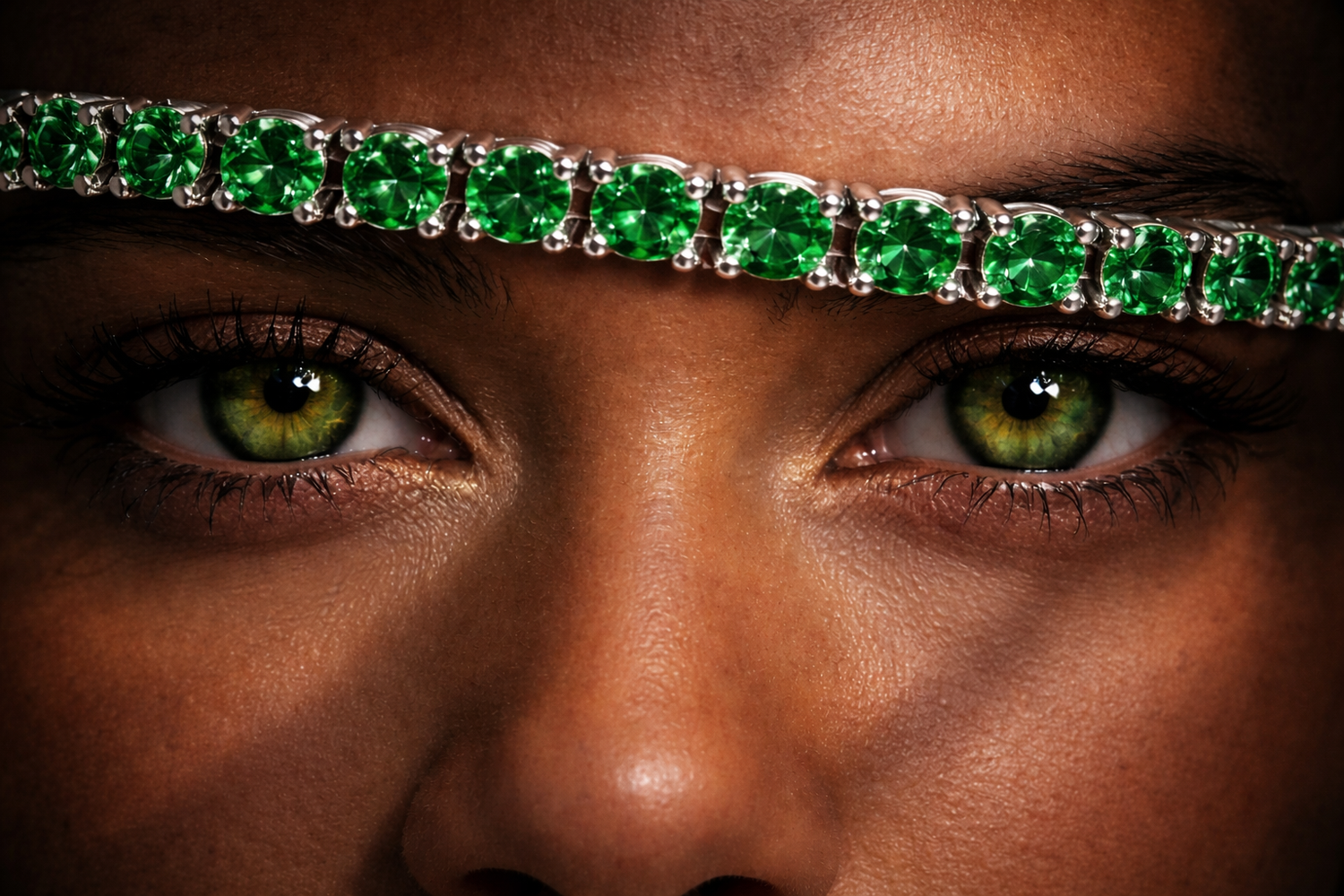
Green Moissanite — How It Is Made and Why It Is More Exclusive
Green moissanite represents one of the most advanced and exclusive expressions of moissanite used in modern jewelry. While moissanite itself is known for exceptional performance, colored variations — especially green — require a significantly more controlled and complex creation process. This is also why green moissanite typically commands a higher value than colorless moissanite.
But what exactly makes green moissanite different?
How Green Moissanite Is Created
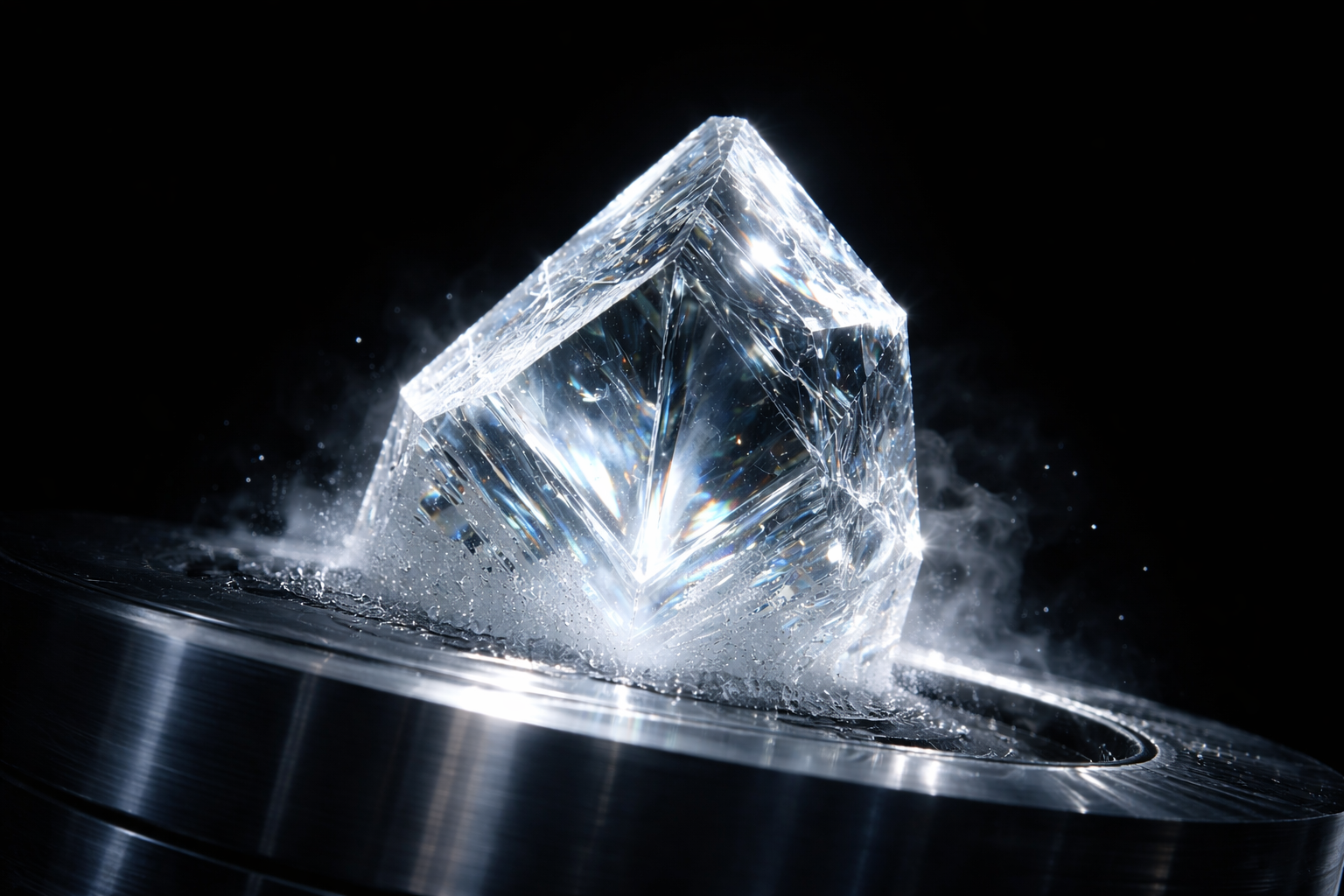
Unlike natural gemstones, moissanite is not mined from the earth. It is precision-created using advanced laboratory techniques in which pure silicon and carbon are combined under extreme temperatures to form silicon carbide crystals.
For colorless moissanite, the growth process is relatively stable. Green moissanite, however, requires precise control of the crystal lattice during the growth phase. The green hue is not applied as a coating or surface treatment, but achieved through atomic-level adjustments within the crystal structure itself. Even minor variations in temperature, pressure, or growth duration can affect color saturation and clarity.
As a result, many crystals fail to meet quality standards and are discarded long before cutting begins.
Permanent Color, Not Surface Treatment
A common misconception is that colored moissanite is coated or artificially tinted after production. High-quality green moissanite is fully color-integrated throughout the crystal, making the color permanent and stable.
It does not fade due to:
-
Daily wear
-
UV exposure
-
Heat
-
Water or chemicals
This sets green moissanite apart from lower-grade colored stones and from materials such as cubic zirconia.
Cutting and Selection
Once the crystal has fully formed, cutting becomes one of the most critical stages. Colored stones require extreme precision during cutting to preserve both color depth and brilliance. A cut that is too deep may darken the stone excessively, while a shallow cut can reduce visual intensity and life.
Only crystals that achieve the correct balance between color saturation, clarity, and light performance qualify for VVS1 grading and proceed to fine jewelry production.
Why Green Moissanite Is More Expensive
Green moissanite is priced higher than colorless moissanite for several reasons:
-
A more complex and time-intensive growth process
-
Lower yield per production cycle
-
Stricter quality selection
-
Advanced cutting requirements
In short, fewer stones meet the standard — and each qualifying stone represents significantly more time, technology, and expertise.
A Modern Alternative to Emeralds
Green moissanite offers visual depth often associated with emeralds, but without their inherent fragility. Unlike emeralds, moissanite is highly durable and suitable for daily wear without risk of cracking or surface damage.
This makes green moissanite an intelligent choice for those seeking color, performance, and longevity in one gemstone.
A Controlled Expression of Luxury
Green moissanite is not a trend-driven choice. It is the result of controlled engineering, precision growth, and disciplined selection. For those who value depth, structure, and durability, it represents a modern and intentional form of luxury.
At JUVÉ, we work with green moissanite for exactly this reason — not because it is common, but because it is demanding.


Leave a comment
This site is protected by hCaptcha and the hCaptcha Privacy Policy and Terms of Service apply.